Sourcing, Quality & Logistics
Integrated Supply Chain Structure
The supply chain is organized to connect sourcing, handling, and shipment into a structured operational flow. Each stage is coordinated to support consistent movement of bulk materials from origin to final destination.
Supply Chain Structure:
- 🚢 Coordinated sourcing and procurement planning
- 🚢 Bulk handling and movement of materials
- 🚢 Structured loading and dispatch processes
- 🚢 Alignment between supply and shipment schedules
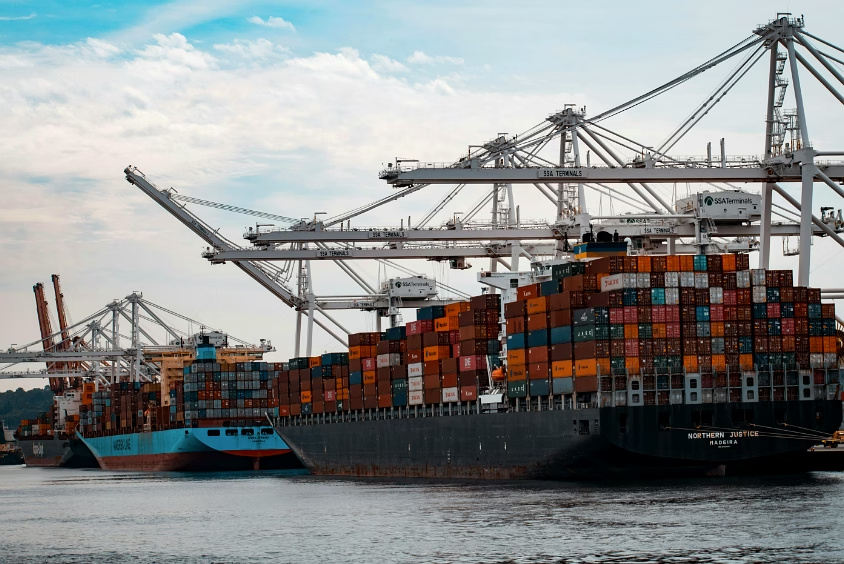

Material Movement & Handling
Bulk material movement is managed through planned transportation and handling systems to ensure smooth flow between sourcing points and shipment locations.
Handling Capabilities:
- ✔ Bulk transportation via road movement
- ✔ Coordination of loading and unloading operations
- ✔ Handling of large-volume consignments
- ✔ Organized movement to shipment points
Shipment Planning & Execution
Shipment execution is planned based on order requirements, delivery timelines, and container availability. Coordination ensures efficient dispatch of goods for international delivery.
Shipment Process:
- ● Container planning and allocation
- ● Scheduling of shipments
- ● Coordination with shipping lines and agents
- ● Dispatch and shipment tracking
Coordination with Shipping Network
International shipments are supported through coordination with established shipping carriers and logistics partners to ensure consistent movement across routes.
Shipping Coordination:
- ⚓ Collaboration with global shipping lines
- ⚓ Coordination with freight forwarders
- ⚓ Route and schedule alignment
- ⚓ Monitoring of shipment status
Trade & Delivery Structuring
Supply and shipment arrangements are aligned with standard international trade terms to support different delivery requirements.
Supply Planning for Bulk Orders
The system is designed to support bulk orders through structured planning and coordination between sourcing, handling, and shipment stages.
Supply Capabilities:
- ● Planning for large-volume orders
- ● Coordination of repeat shipments
- ● Alignment with delivery schedules
- ● Support for ongoing supply cycles

Frequently Asked Questions (FAQs)
1. How is the supply chain structured for bulk orders?
The supply chain follows a structured flow including sourcing, handling, transportation, and shipment coordination.
2. How are shipments planned for international delivery?
Shipments are planned based on order volume, delivery timelines, and container availability, with coordination at each stage.
3. Do you coordinate with shipping companies directly?
Yes, shipment execution involves coordination with shipping lines and logistics partners for international delivery.
4. What trade terms are available for shipments?
FOB, CFR, and CIF options are available based on delivery requirements.
5. Can the system support repeat or long-term orders?
Yes, supply planning is aligned to support repeat shipments and ongoing bulk supply requirements.